
Winterproofing 101: How to Protect Your Home from Frozen Pipes, Heat Loss & Water Damage
Winterproofing 101: How to Protect Your Home from Frozen Pipes, Heat Loss, and Water Damage

Winterproofing means preparing your home to withstand cold weather hazards—primarily frozen pipes, heat loss, and winter water intrusion—so you avoid costly repairs and unsafe living conditions. This guide explains the causes and mechanics of each risk, then gives clear, actionable prevention steps you can do yourself and signals for when to call a professional. You’ll learn how to identify vulnerable plumbing, prioritize insulation and air sealing, and maintain gutters, roofs, and sump systems to reduce winter water damage. The article covers: preventing frozen pipes with insulation and faucet strategies, reducing heat loss through targeted weatherization and HVAC care, guarding against winter water damage around roofs and foundations, and a concise maintenance checklist with DIY versus pro decision guidance. Throughout, keywords like prevent frozen pipes, insulate pipes winter, reduce heat loss in home, and winter home maintenance checklist are used contextually to help you find practical, regionally relevant steps for Southeast climates that face sudden freezes and high humidity.
How Can You Prevent Frozen Pipes This Winter?
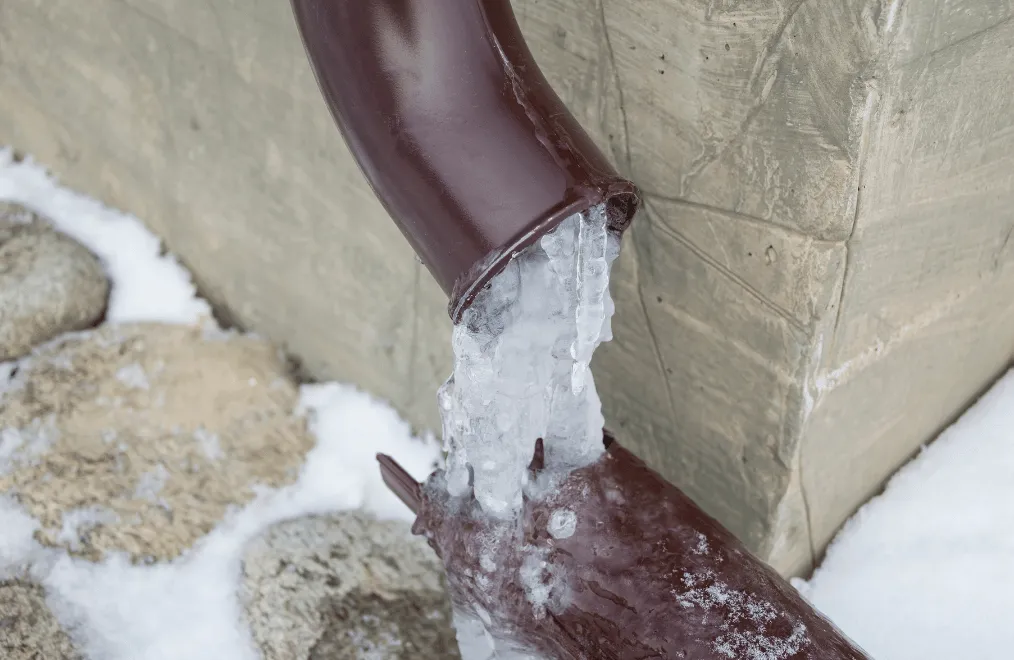
Frozen pipes form when exposed or poorly insulated water lines drop to freezing temperatures, expanding ice that can rupture pipes and cause bursts. Preventing freezing focuses on raising pipe temperature or preventing heat loss around pipes through insulation, controlled heat, and strategic water movement; these measures reduce stress on plumbing and minimize burst risk.
Start by locating vulnerable runs in unheated attics, crawl spaces, garages, and along exterior walls, then prioritize protection there. Below are targeted measures homeowners can apply immediately to cut freeze risk and avoid emergencywater damage.
What Are the Best Methods to Insulate and Protect Pipes?

Effective pipe protection balances ease, cost, and heat delivery. For many homeowners, simple foam sleeves are quick to install on exposed lines, while heat tape or cable supplies active warmth where temperatures drop sharply; pipe wrap adds a weather barrier for outdoor spigots and exposed runs. Use insulation first on pipes in attics, crawlspaces, and garages, and consider professional installation for long, inaccessible, or hidden runs where mistakes risk damage. Follow the comparison below to choose the right option for your situation.
Different pipe protection options have trade-offs to match budget and complexity.
This table helps prioritize which protection fits each vulnerable location, starting with simple sleeves and adding heat tape where needed. Regular inspection after a cold snap confirms the chosen method is working.
Research into ecological insulation systems highlights their effectiveness in preventing frozen pipes by calculating optimal insulation thicknesses to ensure safe temperatures and prevent condensation, even during emergency stops of water movement in pipelines during winter.
Ecological Insulation Systems for Preventing Frozen Pipes The installation of the insulating sheath fixed by an glue method and is not associated with processes that are dangerous for humans and harmful to the environment. The article presents the main provisions of methods for calculating insulation systems based on polyethylene by measure of energy efficiency, which is defining, including the environmental assessment of insulation systems. The optimum thickness of polyethylene foam has been determined, as well as the recommended insulation thicknesses to ensure a given (safe for humans) temperature; to prevent moisture condensation on the surface of the insulating layer. An calculated time has been established during which thermal insulation prevents cold water from freezing when at an emergency stop of its movement in pipelines in the winter. Ecological and energy efficiency of insulating systems, 2019
Should You Drip Faucets or Drain Outdoor Water Lines?
Dripping faucets relieves pressure and keeps flowing water above freezing in marginal conditions, while draining and shutting off exterior lines prevents trapped water from freezing and bursting. In a sudden hard freeze, open a cold tap slightly on the highest and lowest floors to keep circulation, and drain or winterize hose bibs using shutoff valves and drainage if available. Conserve water by limiting dripping to essential lines and only during the coldest hours, and call a professional if shutoff valves are inaccessible or indoor shutoff procedures are unclear. These steps reduce the chance of a burst and speed recovery if freezing occurs.
What Are Effective Ways to Reduce Heat Loss in Your Home?
Heat loss occurs through conduction, convection, and air leaks—primarily via under-insulated attics, gaps around windows/doors, and unsealed rim joists—so reducing loss means adding thermal resistance and sealing uncontrolled airflow. Improving attic and wall insulation raises R-values and slows conductive heat transfer, while weatherstripping and caulking cut drafts that cause convective losses. A consistent thermostat strategy and sealed ductwork help the HVAC system maintain temperature without overworking, improving comfort and reducing bills. The next sections compare materials and explain why HVAC tune-ups matter for retention.
How Does Proper Insulation and Weatherstripping Help Save Energy?
Insulation reduces heat transfer by increasing the barrier between warm interior air and colder exterior surfaces, and weatherstripping seals gaps that let warm air escape or cold air infiltrate. Target the attic first—adding attic insulation often yields the biggest energy savings—then seal rim joists and upgrade weatherstripping around leaky doors and windows. For Southeast homes, focus on moisture-resistant materials and proper ventilation to avoid trapping humidity that compromises insulation performance. Improving insulation and sealing air leaks delivers measurable comfort gains and lowers heating demand.
Top priority areas to address for heat retention: Attic insulation: increases overall R-value and blocks roofheat loss. Rim joists and crawlspaces: stop leakage at the building envelope edge. Windows and doors: weatherstrip and use storm windows where practical.
Addressing these areas systematically reduces energy waste and leads naturally to the need for HVAC optimization, described next.
Investigating the thermal performance of various composite insulators wrapped around pipes reveals their effectiveness in reducing heat transfer, with different materials offering distinct advantages for specific applications.
Thermal Performance of Composite Insulators for Pipes This research aims to investigate the thermal performance of different thermal composite insulators, wrapped around a closed-loop copper pipe (CLP). To achieve this aim a system was designed and manufactured. It is consisted of closed water tank insulated by Rock Wool, and supplied with two electric heaters, two thermostat, a flow meter, a waterpump, digital temperature scales, and four series of (CLP).Six insulators were prepared namely; composites of Impregnated Fiberglass with Elastoclad and foaming Rubber (FER), Impregnated Fiberglass with Elastoclad resin and Polymeric Membrane (FEM), Impregnated Fiberglass with Polyurethane thermoset resin and Foaming Rubber (FUR), Impregnated Fiberglass with Polyurethane thermoset resin and Polymeric Membrane (FUM), Fiberglass woven tape (F) , and foaming rubber tape (R). Thermal conductivities of all composite specimens were measured by Lee's Disc device and their thermal performances were evaluated by measuring inlet and outlet Heat Transfer Efficiency of Different Composite Insulators, AM Naji, 2014
Why Is HVACMaintenance Important for Winter Heat Retention?

Routine HVACmaintenance keeps systems running efficiently, ensuring consistent heat distribution and reducing cold spots that force higher set temperatures. Tasks like filter replacement, thermostat calibration, duct inspections, and combustion checks (for gas systems) improve safety and performance while lowering failure risk during cold snaps.
If you notice uneven heating, odd noises, or rising energy use, schedule a professional inspection to diagnose ductleaks, failing components, or safety issues. A well-tuned system preserves the benefits of insulation and sealing, keeping your home comfortable through winter.
How Do You Prevent Winter Water Damage from Pipes and Roof Issues?
Winter water damage often starts from clogged gutters, failed downspouts, or compromised roof integrity that allow melt or heavy rain to penetrate roofing and seep into walls and foundations. Preventive work centers on ensuring clear drainage away from the house, verifying roof flashings and shingles, and confirming sump pump readiness.
Proper grading and downspout extensions keep water moving away from foundations, while ice-dam awareness and timely roof checks prevent meltwater entry. The following subsections outline practical maintenance and early-detection steps homeowners can take before problems escalate.
What Maintenance Should You Perform on Gutters, Downspouts, and Sump Pumps?
Clear gutters and downspouts of debris before winter storms to maintain proper pitch and prevent overflow that soaks siding and foundations. Test sump pumps and battery backups by simulating high water conditions and know replacement intervals for batteries and hoses; a working backup pump reduces basement flood risk during power outages.
Maintain these systems with a seasonal routine and consider sensors or professional checks for added security.
This quick maintenance table helps prioritize tasks that keep water moving away from the home and reduce winter infiltration risk.
How Can You Protect Your Foundation and Detect Leaks Early?
Protect foundations by ensuring soil grades slope away from the house and downspouts discharge at least several feet away to prevent saturation near footings. Inside, watch for damp floors, musty odors, efflorescence on walls, or hairline cracks that indicate hydrostatic pressure or seepage; install monitors or moisture sensors in basements to detect changes early.
If grading or persistent leaks are present, escalate to a professional for drainage solutions or foundation waterproofing evaluations. Early detection limits repair scope and helps avoid long-term structural or mold problems.
What Should Be Included in a Winter Home Maintenance Checklist?
A concise checklist prioritizes tasks that materially reduce winter failures: insulating exposed pipes, clearing gutters, testing sump pumps, sealing drafts, and scheduling HVAC tune-ups. Doing these tasks on a seasonal timeline concentrates effort where it pays off most and prevents small issues from becoming emergencies. Below is a practical task table to decide what you can handle and when to call a professional, followed by a short action checklist to run before freeze events.
Which Tasks Can You Do Yourself and When Should You Call a Professional?
Many preventive tasks are homeowner-friendly—installing foam pipe sleeves, replacing weatherstripping, and clearing gutters—while work that involves roof penetrations, major plumbing reroutes, or HVAC repairs should be handled by licensed pros. If you lack safe access, detect active leaks, find signs of structural water entry, or face complicated shutoffs, call a verified professional to avoid making problems worse. Prioritize safety and escalate when complexity, risk, or time constraints exceed your comfort level.
This table helps you decide which seasonal tasks to keep on your to-do list and when calling a licensed professional makes sense to protect your home.
How Can Service Pro Nation Help with Emergency Winter Repairs?
When prevention isn’t enough and you need verified help quickly, Service Pro Nation connects homeowners in the Southeast to licensed, bonded, and insured pros specializing in plumbing, HVAC, water damage restoration, roofing, and insulation. The network emphasizes fast connections—average call connection in about 60 seconds—and transparent, education-first service so you get a vetted professional without guesswork. Use a verified referral when a frozen or burst pipe, failing HVAC, or active water intrusion requires immediate licensed intervention to limit damage and restore safe conditions.
Winter readiness checklist before freeze: Insulate exposed pipes: foam sleeves or heat tape where needed. Clear gutters and downspouts: ensure water drains away. Test sump pump and battery backup: confirm operation and readiness.
Run this checklist as conditions change and contact a vetted professional when you encounter active leaks, burst pipes, or system failures that exceed DIY safety or capability.


