
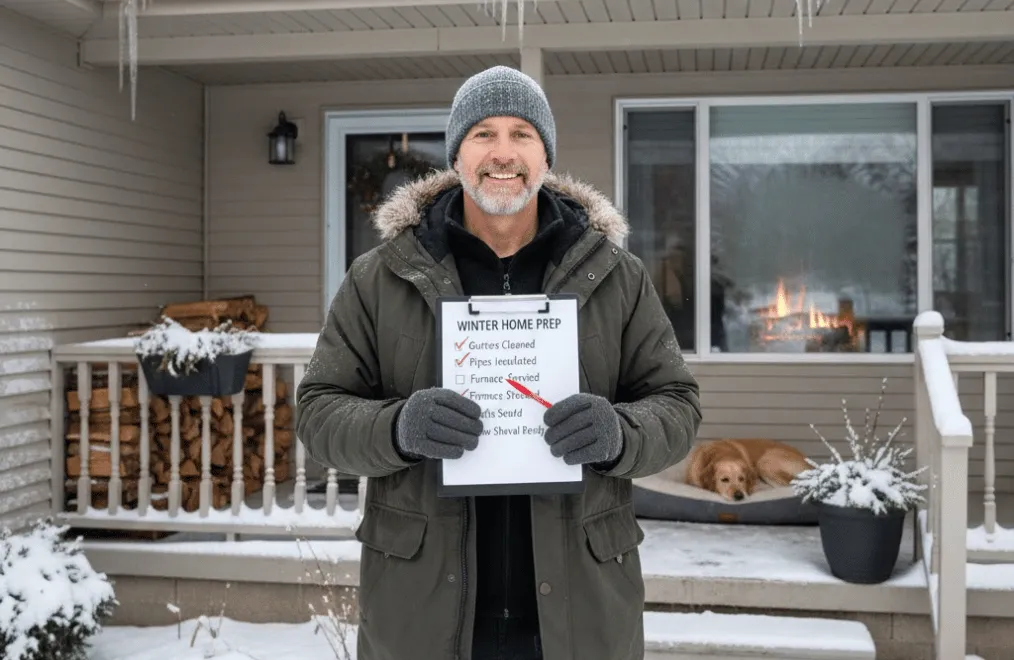
Winter Home Maintenance Checklist: What Every Atlanta Homeowner Should Do in January
Winter Home Maintenance Checklist: What Every Homeowner Should Do Before and During Winter
Winter puts more stress on your home than almost any other season. Even in regions with relatively mild winters, cold snaps, freezing overnight temperatures, winter storms, and increased indoor energy use can quietly damage critical systems. Many homeowners don’t realize there’s a problem until something breaks—often at the worst possible time.
A proper winter home maintenance checklist helps you stay ahead of costly repairs, improve comfort, reduce energy bills, and protect your home’s long-term value. Whether you’re dealing with freezing temperatures, fluctuating humidity, or increased system usage, winter is the season where preventive maintenance matters most.
This comprehensive winter home maintenance checklist explains what to inspect, why it matters, and when to call a professional, so you can keep your home safe, efficient, and comfortable all season long.
Why Winter Home Maintenance Is So Important
Winter affects nearly every part of your home at the same time. Heating systems run longer, plumbing is exposed to freezing temperatures, electrical demand increases, and insulation performance becomes critical. Small issues that went unnoticed in warmer months often turn into expensive emergencies during winter.
Common winter-related problems include:
Heating system failures
Frozen or burst pipes
High energy bills
Electrical overloads
Moisture and condensation damage
Roof leaks after winter storms
Preventive maintenance reduces these risks, extends the lifespan of your systems, and provides peace of mind when temperatures drop.

Heating System & HVAC Maintenance Checklist
Your heating system works harder in winter than any other time of year. Proper maintenance ensures safe operation, reliable heat, and energy efficiency.
Replace or Clean Air Filters
Dirty air filters restrict airflow and force your system to work harder, increasing energy costs and wear on components. During winter, filters should typically be checked every 30 days.
Schedule a Professional Heating Inspection
A professional HVAC inspection checks:
Heat exchanger condition
Burner operation
Electrical connections
Thermostat calibration
Airflow and duct performance
Winter inspections help catch problems before they lead to breakdowns.
Watch for Uneven Heating
If some rooms feel colder than others, your system may have airflow issues, duct leaks, or insulation gaps. Uneven heating is a common winter complaint and often worsens over time.
Listen for Unusual Noises
Banging, rattling, squealing, or grinding noises often indicate mechanical issues that should be addressed promptly.
Plumbing & Pipe Protection Checklist
Plumbing problems are among the most expensive winter emergencies. Frozen and burst pipes can cause extensive water damage in a short amount of time.
Insulate Exposed Pipes
Pipes in crawl spaces, garages, basements, and exterior walls are especially vulnerable to freezing. Pipe insulation is inexpensive and highly effective.
Disconnect Outdoor Hoses
Leaving hoses attached can trap water inside outdoor faucets, increasing the risk of freezing and bursting.
Protect Outdoor Faucets
Use insulated faucet covers or shut off and drain exterior water lines before freezing temperatures arrive.
Let Faucets Drip During Freezes
During extreme cold, allowing faucets to drip slightly reduces pressure buildup and lowers the risk of frozen pipes.
Know Your Main Water Shut-Off Valve
In an emergency, knowing how to quickly shut off your home’s water supply can prevent severe damage.
Electrical Safety & Winter Load Checklist
Winter increases electrical demand due to heating equipment, lighting, and indoor appliance use.
Avoid Overloading Circuits
Space heaters and extension cords are common causes of winter electrical fires. Plug heaters directly into wall outlets and avoid using power strips.
Inspect Outlets and Switches
Warning signs include:
Warm outlets
Flickering lights
Burning smells
Frequently tripped breakers
These should be addressed immediately.
Consider an Electrical Inspection
Older homes or homes with frequent electrical issues benefit from professional inspections to ensure systems can safely handle winter demand.
Insulation & Energy Efficiency Checklist
Insulation plays a major role in winter comfort and energy costs.
Check Attic Insulation
Heat rises, and inadequate attic insulation allows warm air to escape quickly. Many homes lack sufficient insulation levels, especially older properties.
Seal Air Leaks
Drafts around windows, doors, attic access points, and crawl spaces increase heating costs and reduce comfort. Weatherstripping and caulk can provide immediate improvements.
Inspect Ductwork
Leaky or poorly insulated ducts can lose a significant amount of heated air before it reaches living spaces.
Moisture, Humidity & Indoor Air Quality Checklist
Winter conditions can create moisture problems if not properly managed.
Monitor Indoor Humidity
Low humidity causes discomfort, while excess moisture can lead to condensation and mold growth. Proper insulation and ventilation help maintain balance.
Watch for Condensation
Moisture on windows, walls, or ceilings may indicate insulation or ventilation issues that need attention.
Roof, Gutters & Exterior Checklist
Winter storms can expose hidden exterior weaknesses.
Inspect the Roof
Check for missing shingles, damaged flashing, or signs of leaks—especially after storms.
Clean Gutters
Clogged gutters prevent proper drainage and can lead to water damage around the roofline or foundation.
Check Exterior Caulking
Cracked or missing caulk around windows and doors allows cold air and moisture inside.
Fireplace & Chimney Safety Checklist
If you use a fireplace during winter, safety is critical.
Schedule Chimney Cleaning
Creosote buildup increases fire risk. Annual chimney inspections are recommended.
Inspect Fireplace Components
Check dampers, screens, and surrounding materials for damage.
Signs You Need a Professional Winter Inspection
While homeowners can handle many checklist items, professional inspections catch problems that are easy to miss.
Schedule professional service if you notice:
Rising energy bills
Frequent system cycling
Persistent drafts
Unusual odors or noises
Moisture stains or water damage
Inconsistent heating or hot water
Winter inspections are especially effective because systems are under real-world stress.
Why Preventive Winter Maintenance Saves Money
Preventive maintenance:
Reduces emergency repair costs
Improves energy efficiency
Extends system lifespan
Enhances comfort
Protects property value
Emergency winter repairs often cost significantly more than planned maintenance due to urgency and potential secondary damage.

When to Schedule Winter Home Maintenance
The best time to schedule winter maintenance is before or early in the season, but it’s never too late to take action. Even mid-winter inspections can prevent late-season failures and costly repairs.
Protect Your Home This Winter
Winter may only last a few months, but its impact can last much longer if problems go unchecked. A thorough winter home maintenance checklist helps you stay proactive, protect your investment, and avoid unnecessary stress.
Whether you handle basic tasks yourself or rely on professional services, the key is taking action before small issues become major problems.
Schedule your winter home maintenance or inspection today and enjoy peace of mind all season long


