
Why Your Heating Bills Spike in January (And How Atlanta Homeowners Can Lower Them)
Why Your Heating Bills Spike in January (And How Atlanta Homeowners Can Lower Them)
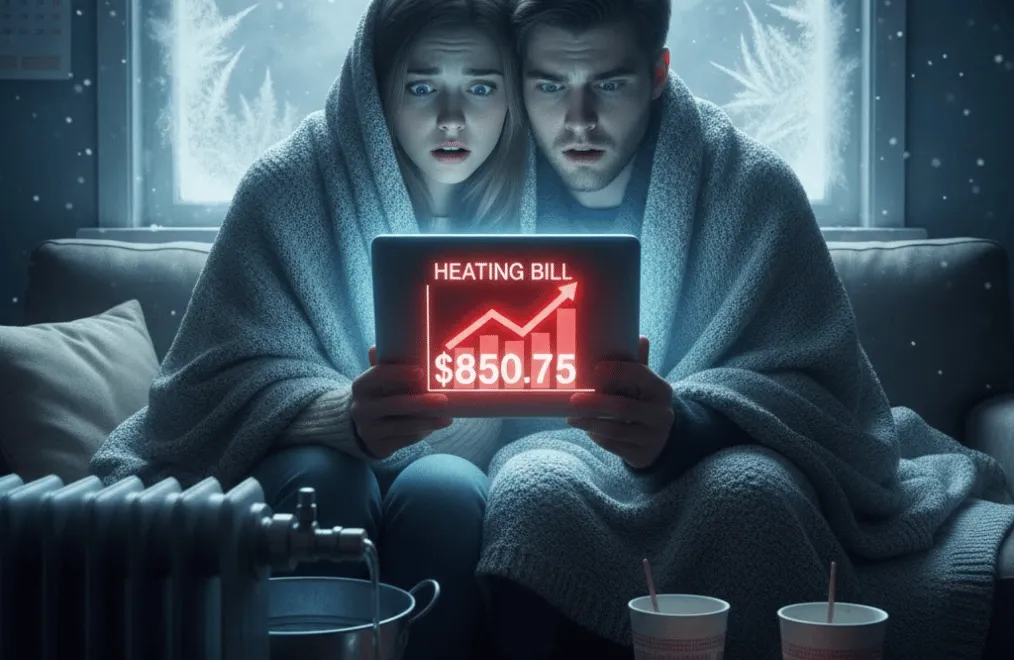
Every January, homeowners across Atlanta experience the same unpleasant surprise: a heating bill that’s much higher than expected. Even during relatively mild winters, energy costs often spike sharply, leaving many homeowners wondering what went wrong.
While colder temperatures do play a role, January heating bill increases are rarely caused by weather alone. In most cases, rising costs are the result of hidden efficiency problems, aging HVAC equipment, heat loss, or systems working harder than they should.
Because Georgia winters are unpredictable—with sudden cold snaps, freezing overnight lows, and fluctuating daytime temperatures—homes and heating systems are placed under stress they may not be designed to handle efficiently.
Understanding why heating bills spike in January is the first step toward lowering them. The good news is that many of the most common causes are fixable, and addressing them can improve comfort while reducing monthly energy costs.
This guide explains the real reasons Atlanta homeowners see higher heating bills in January and provides practical, proven ways to lower them.

Why January Is the Most Expensive Month for Heating
January consistently ranks as the month with the highest residential heating demand across much of the United States. According to national energy usage data, heating systems run longer and more frequently in January than any other time of year.
For Atlanta homeowners, several factors converge at once:
Overnight temperatures frequently dip below freezing
Heating systems run continuously during cold snaps
Homes lose heat faster due to winter conditions
Energy efficiency problems become more noticeable
Because many Georgia homes are designed primarily for cooling, winter inefficiencies tend to surface quickly when temperatures drop.
Increased Heating System Runtime During Cold Snaps
Even short periods of cold weather can significantly increase heating costs.
When overnight temperatures fall below freezing, furnaces and heat pumps must run longer to maintain indoor comfort. If your system is inefficient or poorly maintained, longer runtime translates directly into higher energy usage.
Why Runtime Matters
The longer your system runs:
The more energy it consumes
The more wear and tear it experiences
The harder it is to recover lost heat
Systems with dirty filters, restricted airflow, or mechanical issues require even more runtime to achieve the same results.
Poor Insulation and Heat Loss
One of the biggest contributors to high heating bills in Atlanta homes is heat loss.
Many homes—especially those built before modern energy codes—lack adequate insulation. During winter, warm air escapes quickly through uninsulated or underinsulated areas.
Common Heat Loss Areas
Attics
Crawl spaces
Ductwork
Exterior walls
Windows and doors
According to building science studies, up to 30% of a home’s heat can be lost through insufficient insulation and air leaks.
When heat escapes, your heating system compensates by running longer, driving up costs.
Drafts and Air Leaks Increase Heating Costs
Air leaks allow cold outdoor air to enter and warm indoor air to escape. Even small gaps can significantly impact comfort and energy efficiency.
Common sources of air leaks include:
Gaps around windows and doors
Attic access points
Crawl space openings
Electrical outlets on exterior walls
Poorly sealed duct connections
Drafts force heating systems to work harder to maintain consistent temperatures.
Leaky or Inefficient Ductwork
Ductwork plays a critical role in heating efficiency, yet it’s often overlooked.
How Duct Leaks Raise Heating Bills
Leaky ducts allow heated air to escape into attics, crawl spaces, or wall cavities before it reaches living areas. Studies show that duct leakage can account for 20–30% of total heating energy loss in some homes.
Signs of duct issues include:
Uneven heating between rooms
Dust buildup around vents
Long heating cycles
Warm air loss in unconditioned spaces
Older Atlanta homes are particularly prone to duct leakage.
Aging or Inefficient HVAC Equipment
Heating systems become less efficient as they age.
Many Atlanta homes still rely on furnaces or heat pumps that are 15–25 years old. These systems often operate at significantly lower efficiency than modern equipment.
Efficiency Decline Over Time
As components wear:
Heat exchangers transfer less heat
Motors require more energy
Systems struggle to maintain set temperatures
According to ENERGY STAR data, upgrading from an older heating system to a modern high-efficiency model can reduce heating costs by up to 20–30%.
Improper Thermostat Settings and Usage
Thermostat habits have a direct impact on heating bills.
Common issues include:
Keeping temperatures set too high
Frequent manual adjustments
Heating the home when no one is there
Lack of temperature setbacks overnight
Programmable and smart thermostats help regulate heating more efficiently by adjusting temperatures automatically based on schedules and usage patterns.
Cold Outdoor Temperatures Increase Heat Demand
Cold outdoor air increases the temperature difference between inside and outside your home. The greater this difference, the faster heat escapes.
This means:
Your system must work harder to maintain comfort
Heat loss accelerates through insulation gaps
Inefficiencies become more expensive
January’s colder nights amplify existing problems.
Hidden HVAC Maintenance Issues
Skipped maintenance is another major contributor to high heating bills.
Without regular service:
Filters become clogged
Burners and coils collect debris
Electrical components lose efficiency
Airflow becomes restricted
Professional HVAC maintenance improves efficiency, safety, and reliability—especially during peak winter months.
How Atlanta Homeowners Can Lower Heating Bills in January
Lowering heating costs doesn’t require sacrificing comfort. In many cases, small improvements make a noticeable difference.
Schedule an HVAC Tune-Up
A professional tune-up ensures your system operates efficiently and catches problems early.
Improve Insulation
Adding insulation to attics and crawl spaces reduces heat loss immediately.
Seal Air Leaks
Weatherstripping, caulking, and duct sealing prevent warm air from escaping.
Replace Air Filters Regularly
Clean filters improve airflow and reduce system strain.
Optimize Thermostat Settings
Lowering the thermostat just a few degrees at night or when away can significantly reduce energy use.
Consider Equipment Upgrades
If your system is aging, upgrading to high-efficiency equipment may provide long-term savings.

Why Professional Energy Evaluations Save Money
Professional home energy evaluations identify inefficiencies homeowners often miss. These inspections provide a roadmap for targeted improvements with the greatest return on investment.
Studies show that homes that address identified efficiency issues can reduce heating costs by 10–40%, depending on conditions.
When High Heating Bills Signal Bigger Problems
If heating bills remain high despite efforts to reduce usage, there may be underlying issues such as:
Failing HVAC equipment
Severe duct leakage
Insulation deficiencies
Structural air leaks
Addressing root causes prevents continued energy waste.
Take Control of Your Heating Costs This Winter
High heating bills are frustrating, but they’re also informative. January’s cold weather reveals exactly how your home performs under stress.
By identifying inefficiencies and taking proactive steps, Atlanta homeowners can lower heating bills, improve comfort, and avoid costly winter breakdowns.
Professional inspections and maintenance can help you take control of your energy costs this winter.
Schedule a heating efficiency inspection today and start saving.


