
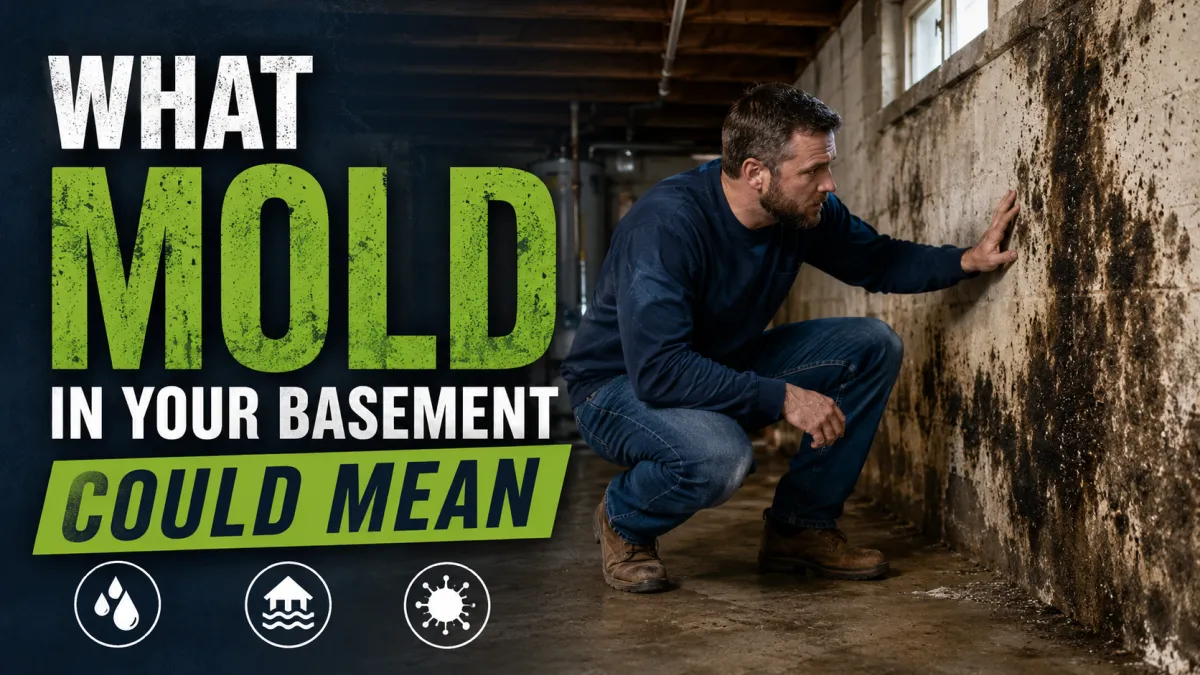
What Mold in Your Basement Could Mean
What Mold in Your Basement Could Mean: Understanding Risks, Inspection, and Remediation Costs

By Slaidel Hernandez, Service Pro Nation
Mold in your basement can be more than just an unsightly nuisance; it often signals underlying issues that could affect your home and health. Understanding the implications of mold presence is crucial for homeowners and property owners alike. This article will explore the various types of mold commonly found in basements, the health risks associated with exposure, and the importance of professional mold inspection and remediation services. By the end, you will have a comprehensive understanding of how to identify mold, the potential health impacts, and the steps necessary for effective remediation services.
The presence of mold can indicate moisture problems, which may lead to structural damage and health issues if not addressed promptly. This guide will cover the signs and types of mold, how to identify both visible and hidden mold, the health risks associated with mold exposure, and when to seek professional help. Additionally, we will discuss effective mold remediation solutions and how to choose qualified inspection services.
What Are the Common Signs and Types of Mold in Your Basement?
Identifying mold in your basement is essential for maintaining a healthy living environment. Common signs of mold include a musty smell, visible discoloration on surfaces, and health symptoms related to mold exposure. Mold can manifest in various forms, including: services.
Surface Mold: This is often visible on walls, ceilings, and floors, appearing as black, green, or white patches.
Hidden Mold: Mold can grow behind walls or under carpets, making it difficult to detect without proper inspection.
Airborne Mold Spores: These can circulate in the air and lead to respiratory issues when inhaled.
Recognizing these signs early can help prevent more severe problems. If you suspect mold in your basement, it is crucial to connect with professionals who can provide thorough inspections and remediation services.
How to Identify Visible and Hidden Basement Mold

Identifying mold requires a keen eye and an understanding of where it typically grows. Visible mold can often be spotted on damp surfaces, while hidden mold may require more investigative techniques. Here are some methods to identify both types: identify both types
Visual Inspection: Look for discoloration or fuzzy growth on surfaces, especially in areas prone to moisture.
Moisture Meters: These devices can help detect hidden moisture levels in walls and floors, indicating potential mold growth.
Signs of Water Damage: Stains, peeling paint, or warped surfaces can suggest hidden mold behind walls or under flooring.
Understanding these identification methods is crucial for effective mold management. If you find signs of mold, consider scheduling a professional mold inspection to assess the situation thoroughly.
Which Mold Species Are Most Prevalent in Basements?
Basements are often breeding grounds for various mold species due to their typically damp and dark conditions. Some of the most prevalent species include:
Aspergillus: Commonly found in damp areas; some species can cause respiratory issues.
Penicillium: Often appears as blue or green mold and can lead to allergic reactions.
Stachybotrys (Black Mold): Known for its potential health risks, it thrives in water-damaged environments.
Understanding the types of mold present in your basement can help you take appropriate action. If you suspect the presence of toxic mold, it is vital to seek professional assistance for safe removal.
Research further emphasizes the significant health risks associated with specific mold species like Stachybotrys chartarum.
Stachybotrys Chartarum: Health Risks & Occupant Threat
Of these, Stachybotrys chartarum poses a particular threat to occupants. Patients with building-related symptoms and infant idiopathic
Attributes of Stachybotrys chartarum and its association with human disease, MS Ahmed, 2004
What Health Risks Are Associated with Basement Mold Exposure?
Exposure to mold can lead to various health issues, particularly for sensitive individuals. Common health risks include:
Respiratory Issues: Mold spores can trigger asthma attacks and other respiratory problems.
Allergic Reactions: Symptoms may include sneezing, runny nose, and skin rashes.
Long-term Health Effects: Prolonged exposure to certain mold species, especially Stachybotrys, can lead to more severe health complications.
Understanding these risks emphasizes the importance of addressing mold issues promptly. If you or your family members experience health symptoms related to mold exposure, it is crucial to consult a healthcare professional.
What Symptoms and Conditions Can Basement Mold Cause?
Mold exposure can lead to a range of symptoms and conditions, including:
Allergic Reactions: Sneezing, coughing, and itchy eyes are common responses to mold spores.
Respiratory Problems: Individuals with asthma may experience increased symptoms, while others may develop chronic cough or wheezing.
Fatigue and Headaches: Some people report feeling unusually tired or experiencing headaches when exposed to mold.
Recognizing these symptoms can help you determine if mold is affecting your health. If you suspect mold exposure, it is advisable to seek medical advice and address the mold issue in your home.
How Does Mold Toxicity Impact Vulnerable Populations?
Certain populations are more susceptible to the effects of mold toxicity, including:
Children: Their developing respiratory systems make them more vulnerable to mold-related health issues.
Elderly Individuals: Age-related health decline can increase sensitivity to mold exposure.
People with Compromised Immune Systems: Those with weakened immune systems are at higher risk for severe reactions to mold.
Understanding the impact of mold toxicity on these groups highlights the need for prompt action when mold is detected. If you belong to a vulnerable population, it is especially important to ensure your living environment is free from mold.
When and Why Should You Schedule a Professional Mold Inspection?
Scheduling a professional mold inspection is crucial when you notice signs of mold or experience health symptoms related to mold exposure. Key indicators for seeking professional help include:
Visible Mold Growth: If you see mold on surfaces, it is time to call in experts.
Persistent Musty Odors: A strong, musty smell often indicates hidden mold.
Water Damage: If your basement has experienced flooding or leaks, an inspection is essential.
Professional mold inspectors can provide a thorough assessment, identifying both visible and hidden mold. They can also recommend appropriate remediation strategies to ensure your home is safe.
What Does a Licensed Mold Inspection Include?
A licensed mold inspection typically includes several key components:
Visual Assessment: Inspectors will examine the property for visible signs of mold and moisture.
Moisture Testing: Tools like moisture meters may be used to detect hidden moisture levels.
Air Quality Testing: Samples may be taken to analyze airborne mold spores and identify species present.
Understanding what to expect during a mold inspection can help you prepare for the process. A thorough inspection is the first step toward effective mold remediation.
These inspection methods are critical for accurately characterizing the extent of moisture and mold presence in a home.
Home Mold & Moisture Characterization Methods
to characterize moisture and mold include the following: (1) physical measurements (eg, humidity, temperature); (2) sampling and analysis to detect microbes indicative of moisture; (3)
Characterization of mold and moisture indicators in the home, 2004
How to Choose Qualified Mold Inspection Services Near Me
Choosing the right mold inspection service is crucial for ensuring a thorough assessment. Consider the following criteria when selecting a service:
Credentials and Experience: Look for certified professionals with experience in mold inspection and remediation.
Customer Reviews: Check online reviews and testimonials to gauge the quality of service.
Pre-vetting Services: Research potential companies to ensure they have a good reputation and follow industry standards.
Selecting a qualified mold inspection service can make a significant difference in the effectiveness of the remediation process.
What Are the Effective Mold Remediation and Basement Mold Removal Solutions?
Effective mold remediation involves several steps to ensure complete removal and prevention of future growth. Key solutions include:
Containment: Isolating the affected area to prevent spores from spreading during removal.
Removal of Contaminated Materials: Disposing of materials that cannot be cleaned, such as drywall or carpeting.
Cleaning and Disinfecting: Using specialized cleaning agents to eliminate mold spores from surfaces.
Understanding these steps can help you appreciate the complexity of mold remediation. If you suspect mold in your basement, consider reaching out to professionals for assistance.
Which Mold Remediation Techniques Are Recommended for Basements?
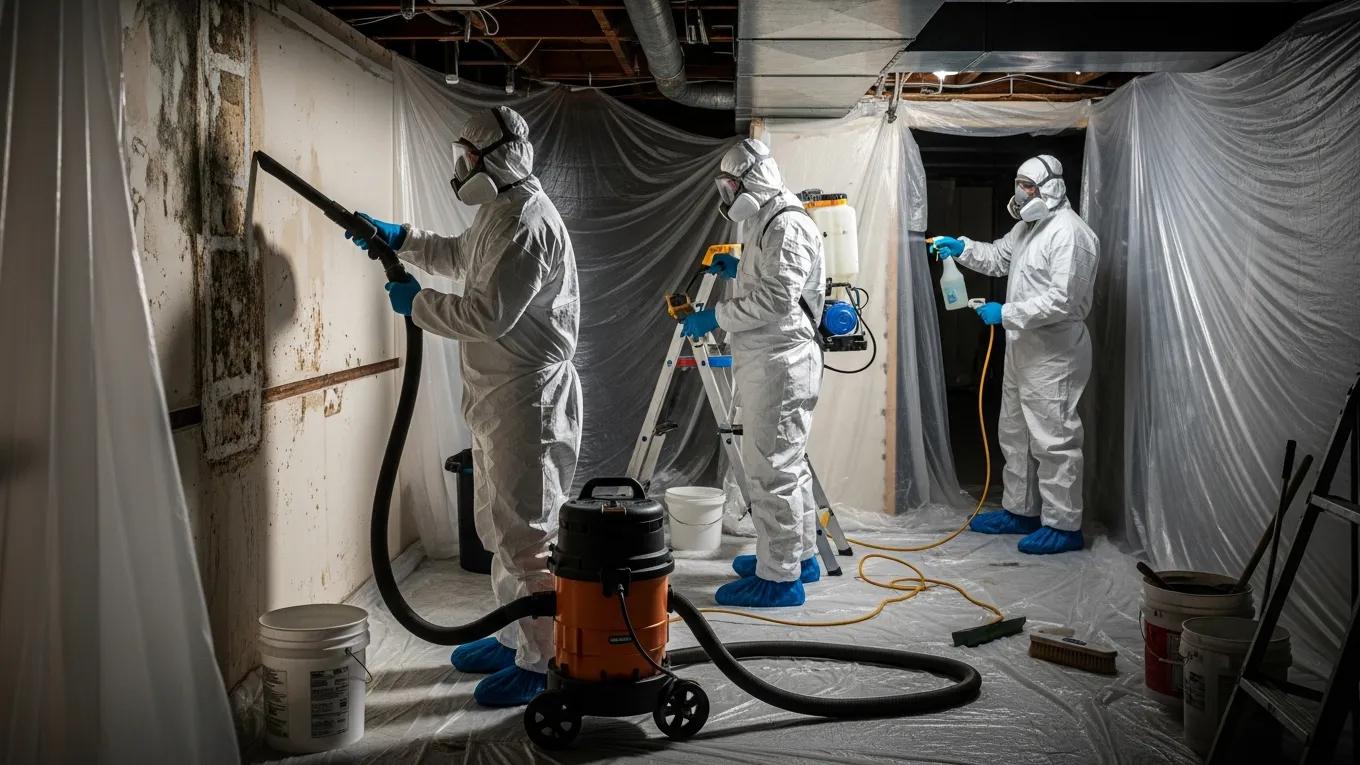
Several techniques are recommended for effective mold remediation in basements, including:
HEPA Vacuuming: Using high-efficiency particulate air (HEPA) vacuums to capture mold spores during cleanup.
Chemical Treatments: Applying mold-killing solutions to affected surfaces to prevent regrowth.
Dehumidification: Reducing humidity levels in the basement to create an unfavorable environment for mold growth.
These techniques are essential for ensuring thorough mold removal and preventing future infestations. Consulting with professionals can help determine the best approach for your specific situation.
The effectiveness of these techniques, particularly the use of HEPA filters, is well-supported by environmental health guidelines.
HEPA Filters for Mold Remediation Cleanup
HEPA filters are also recommended by the EPA for final cleanup of mold remediation. The purpose of this study was to evaluate the effectiveness of the HEPA filter vacuum in
Engineering case report: Effectiveness of HEPA filter vacuum in removing transient microbial contaminants on cargo bags destined for the International Space Station, 2013
If you're in the Southeast region,Service Pronation offers specialized mold remediation services tailored to the unique climate and building conditions of the area.
How Do Local Mold Remediation Professionals Ensure Safe Removal?
Local mold remediation professionals employ various methods to ensure safe and effective mold removal, including:
Containment Strategies: Establishing barriers to prevent mold spores from spreading during the remediation process.
Personal Protective Equipment (PPE): Using appropriate gear, such as masks and gloves, to protect themselves and occupants during removal.
Post-Remediation Testing: Conducting tests after remediation to confirm that mold levels are safe and within acceptable limits.
Understanding these practices can help you feel more confident in the mold remediation process. If you suspect mold in your basement, consider contacting local professionals for assistance.
Frequently Asked Questions
What are the long-term effects of mold exposure on health?
Long-term exposure to mold can lead to chronic health issues, particularly for individuals with pre-existing respiratory conditions or weakened immune systems. Prolonged contact with certain mold species, such as Stachybotrys chartarum, can result in persistent respiratory problems, allergic reactions, and even neurological symptoms. It's essential to address mold issues promptly to minimize these risks. If you experience ongoing health problems that you suspect may be related to mold, consulting a healthcare professional is advisable.
How can I prevent mold growth in my basement?
Preventing mold growth in your basement involves controlling moisture levels and ensuring proper ventilation. Use dehumidifiers to maintain humidity below 60%, fix any leaks promptly, and ensure good airflow by opening windows or using fans. Insulating pipes and walls can also help prevent condensation. Regularly inspect your basement for signs of water damage or mold, and consider using mold-resistant materials during renovations to further reduce the risk of mold growth.
What should I do if I find mold in my basement?
If you discover mold in your basement, the first step is to assess the extent of the problem. For small areas, you may be able to clean it yourself using appropriate cleaning solutions and protective gear. However, if the mold covers a large area or if you suspect toxic mold, it's best to contact a professional mold remediation service. They can conduct a thorough inspection, identify the type of mold, and implement safe removal strategies to protect your health and home.
Are there DIY methods for mold removal?
While there are DIY methods for removing mold, such as using vinegar or bleach solutions, these approaches may not be effective for all types of mold or large infestations. It's crucial to wear protective gear, including masks and gloves, when attempting DIY removal. Additionally, ensure proper ventilation during the process. For extensive mold problems or if you have health concerns, hiring a professional is recommended to ensure safe and thorough remediation.
How often should I have my basement inspected for mold?
It's advisable to have your basement inspected for mold at least once a year, especially if you live in a humid climate or have experienced water damage. Regular inspections can help identify potential mold growth before it becomes a significant issue. Additionally, consider scheduling an inspection after any major weather events, such as heavy rain or flooding, to ensure that your basement remains mold-free and safe for your family.
What are the costs associated with mold remediation?
The cost of mold remediation can vary widely based on the extent of the mold problem, the type of mold, and the size of the affected area. On average, homeowners can expect to pay between $500 and $6,000 for professional remediation services. Factors influencing the cost include inspection fees, the need for repairs, and the complexity of the removal process. It's essential to obtain quotes from multiple professionals to ensure you receive a fair price for the services needed.


