
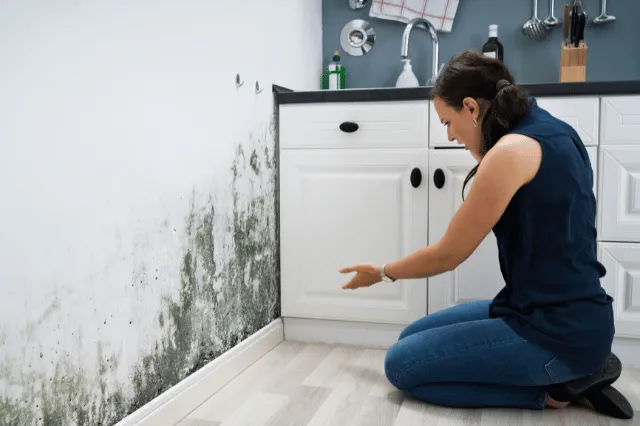
How to Prevent Mold Growth as Humidity Drops and Rain Increases
How to Prevent Mold Growth as Humidity Drops and Rain Increases: Essential Fall Mold Control Tips
Dropping temperatures and rising rainfall create hidden threats for your home: mold growth. “How to Prevent Mold Growth as Humidity Drops and Rain Increases” guides you through cause analysis, moisture control, basement strategies, professional triggers, and year-round protection. You’ll learn actionable steps and when to call vetted experts. Service Pronation connects you with bonded, insured mold remediation, HVAC, and roofing professionals to keep your property safe.
What Causes Mold Growth When Humidity Drops and Rain Increases?
Mold is a type of fungus that thrives when moisture meets organic surfaces, and understanding its triggers helps you prevent structural damage and health issues before spores spread. Seasonal shifts can create condensation and leaks that fuel mold colonies in walls and ceilings.
How Do Seasonal Changes Affect Indoor Humidity and Mold Risk?
As fall brings cooler air, indoor heating can dry the air unevenly and cause moisture to condense on cold surfaces, creating damp pockets that encourage mold growth.
Temperature swings worsen surface condensation.
Dry outdoor air meets humid indoor air at windows.
Heating systems push moist air into cold walls.
Identifying these patterns lets you balance humidity controls and airflow to avoid hidden damp zones.
Why Does Increased Rainfall Lead to Water Intrusion and Mold?
Heavy rain can overwhelm roofing, siding, and foundation seals, allowing water to seep into attics and basements where it goes unnoticed until mold appears.
Roof leaks develop under saturated shingles.
Foundation cracks let groundwater in.
Window and door frames can warp, admitting moisture.
Sealing these weak points early prevents mold from colonizing behind walls.
What Are the Health Risks Associated with Mold Exposure?
Mold exposure releases spores and mycotoxins that irritate airways, trigger allergies and can lead to respiratory infections, especially in children, seniors, and those with compromised immunity.
Chronic coughing and wheezing.
Sinus congestion and skin irritation.
Neurological symptoms from mycotoxins.
Health Risks of Mold Exposure
Exposure to mold can lead to various health issues, including respiratory problems, allergic reactions, and potential neurological symptoms. These health effects are particularly concerning for children, the elderly, and individuals with weakened immune systems, highlighting the importance of proactive mold control measures.
Institute of Medicine (US) Committee on Damp Indoor Spaces and Health, "Damp Indoor Spaces and Health" (2004)
This citation supports the article's claims about the health risks associated with mold exposure, emphasizing the need for mold prevention and remediation.
How Can You Control Moisture to Prevent Mold in Fall?

Effective moisture control balances indoor humidity and seals entry points, reducing the conditions mold needs to thrive and safeguarding your home as the seasons shift.
Moisture Control and Mold Prevention
Effective moisture control is crucial for preventing mold growth in homes. Maintaining proper humidity levels, fixing leaks promptly, and ensuring adequate ventilation are key strategies. These measures create an environment that is less conducive to mold development, safeguarding both the structure of the home and the health of its occupants.
Environmental Protection Agency (EPA), "A Brief Guide to Mold, Moisture, and Your Home" (2024)
This citation reinforces the article's emphasis on moisture control as a primary method for preventing mold growth and maintaining a healthy indoor environment.
What Are the Best Ways to Fix Leaks and Prevent Water Damage?
Prompt leak repair stops water intrusion by sealing weak spots in roofs, pipes and foundations, preventing mold colonies from taking hold in hidden cavities.
Inspect your roof for damaged shingles and flashing.
Repair pipe joints and loose fittings immediately.
Seal foundation and window cracks with waterproof sealant.
Engaging professional roof leak repair ensures lasting protection and prevents mold at the source.
How Do Dehumidifiers and HVAC Systems Help Maintain Ideal Humidity Levels?
Dehumidifiers extract excess moisture from the air while HVAC systems regulate temperature and airflow to stabilize humidity between 30 percent and 50 percent, making conditions hostile to mold growth.
Combining HVAC humidity control with targeted dehumidification keeps moisture in check and prevents spore germination.
Why Is Proper Ventilation Crucial for Mold Prevention?
Ventilation replaces moist indoor air with fresh outdoor air, reducing relative humidity and expelling spores before they settle, which halts mold growth in kitchens, bathrooms and attics.
Install exhaust fans in cooking and bathing areas.
Ensure attic vents are clear and functional.
Keep air returns unobstructed for continuous airflow.
Good air exchange minimizes stagnant pockets and keeps surfaces dry.
What Are Effective Basement Mold Prevention Strategies?
Basements often trap moisture from ground seepage and poor airflow, so targeted strategies like waterproofing, dehumidification and regular inspections are vital to prevent mold colonies in these confined spaces.
How Does Basement Waterproofing Reduce Mold Growth?
Waterproofing stops ground moisture from entering basement walls by installing vapor barriers, sealing cracks and managing hydrostatic pressure, which keeps foundations dry and mold-free.
Apply interior membrane barriers.
Seal exterior cracks with polyurethane.
Improve exterior grading to direct water away.
When Should You Use Dehumidifiers in Basements?
Use a dehumidifier in your basement whenever humidity rises above 50 percent to extract moisture from stagnant air, preventing dampness that encourages mold growth.
Monitor humidity with a hygrometer.
Run on continuous mode during wet seasons.
Empty reservoir or install a drain hose for automatic discharge.
Maintaining below 50 percent RH helps prevent mold growth at its earliest stage.
What Maintenance Practices Help Keep Basements Dry and Mold-Free?
Regular cleaning, clearing drains and checking for leaks keep basements dry by removing potential mold food sources and early moisture buildup, which stops mold spores from settling.
Clean gutters and downspouts to prevent overflow.
Test and service your sump pump annually.
Wipe up spills and dry wet areas within 24 to 48 hours.
A proactive maintenance routine ensures lasting dryness and peace of mind.
When Should You Call a Professional for Mold Inspection and Remediation?
Professional mold inspection identifies hidden colonies and assesses health risks with precision tools, and remediation ensures safe removal, containment and structural restoration.
What Are the Signs of Hidden or Serious Mold Problems?
Persistent musty odors, visible discoloration and water stains signal that mold may be growing behind walls or under floors, especially when coupled with peeling paint or unexplained humidity spikes.
Detect a sour, damp smell.
Look for brown, black or green spots.
Note blistering or peeling paint on walls.
Why Is Professional Mold Inspection Important?
Professional inspection uses moisture meters, thermal imaging and surface sampling to locate mold behind walls and in air ducts, providing accurate risk assessment and cost estimates. Certified technicians deliver detailed reports and targeted solutions through professional mold remediation.
How Does Professional Mold Remediation Ensure Safe and Effective Mold Removal?

Professional remediation employs containment barriers, HEPA filtration and EPA-approved cleaners to remove mold safely, restore affected areas and prevent recurrence through long-term solutions that protect your health and property.
How Can You Protect Your Home Year-Round from Mold Growth?
Year-round mold protection combines routine maintenance, mold-resistant materials and seasonal HVAC checks to maintain dry, well-ventilated environments that block mold development in every season.
What Are Mold-Resistant Materials and How Do They Help?
Mold-resistant drywall, paint and flooring contain biocides that inhibit fungal growth on surfaces, reducing mold colonization in moisture-prone areas.
Drywall with fiberglass face.
Antimicrobial interior paints.
Vinyl or ceramic flooring in basements and baths.
How Often Should You Clean and Dry Moisture-Prone Areas?
Clean and dry bathrooms, kitchens and laundry rooms at least once a week to remove moisture and organic debris that feed mold spores, ensuring surfaces stay hygienic and dry.
Wipe down tiles and grout.
Run exhaust fans during and after use.
Inspect under sinks and behind appliances.
What Role Does Regular HVAC Maintenance Play in Mold Prevention?
Routine HVAC maintenance, including filter changes and duct cleaning, ensures efficient airflow and moisture control in your system, which prevents mold hotspots in vents and coils. Trust HVAC services to keep your system in top condition and protect indoor air quality.
Four seasons of vigilance and these essential fall mold control tips give you complete protection. Service Pronation stands ready to connect you with trusted, vetted professionals for leak repairs, humidity control and mold remediation. Don’t wait for mold to spread—schedule a consultation today and secure a healthier home.


