
How to Inspect Your Plumbing Before Winter Freezes Hit
How to Inspect Your Plumbing Before Winter Freezes Hit

A single burst pipe can cost thousands and leave you scrambling for repairs. Early winter plumbing inspection stops ice expansion from cracking pipes. In this guide, you’ll learn why inspections matter, a full DIY checklist, how to spot freezing signs, when to call insured plumbers, and how to insulate pipes while using smart leak detection.
Why Is Winter Plumbing Inspection Crucial to Prevent Frozen Pipes?
Winter plumbing inspection means checking pipes before temperatures drop below freezing to avoid ice pressure that bursts metal. By verifying valves, fittings, and insulation now, you prevent leaks, water damage, and emergency repairs.
What Happens to Pipes When Winter Freezes Occur?
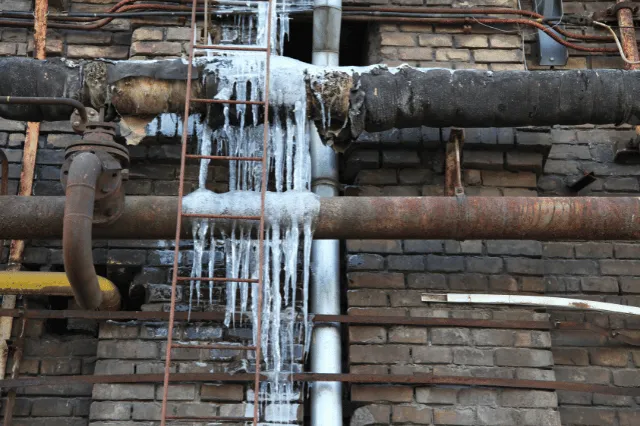
When water inside pipes freezes, it expands up to 9%, creating extreme pressure. That pressure can crack or burst pipes along weak spots. Detecting early frost buildup stops a minor freeze from becoming a major leak.
Understanding How Water Pipes Freeze
Research indicates that water expands approximately 9% in volume when it freezes. This expansion is a primary factor in the rupture of water pipes, as the freezing process creates high-pressure liquid water that causes damage rather than the ice directly pushing against pipe walls.
Lyons, A. Foster, Construction Science - Education, 2022
This research directly supports the article's statement about water expanding up to 9% when it freezes, explaining the underlying mechanism of pipe bursting.
Which Plumbing Components Are Most Vulnerable to Freezing?
Before winter, focus on these exposed parts:
Outdoor faucets and hose bibs with direct cold-air exposure.
Uninsulated pipes in basements, attics, crawl spaces or garages.
Sprinkler lines and irrigation valves left under frost-prone soil.
Understanding these weak points leads to a targeted inspection checklist.
How Can Frozen Pipes Lead to Costly Water Damage?
A frozen pipe can rupture without warning and flood floors, walls, and ceilings. Insurance claims for burst pipes are among the most common in winter.
We Studied 433 Burst Pipe Claims. Here's What You Need to Know Before Winter Arrives.
An analysis of 433 burst pipe claims by Philadelphia Insurance Companies revealed that average losses related to frozen pipes can be substantial, with one claim reaching $1.7 million. From 1996 to 2016, winter storm losses for the insurance industry averaged $1.5 billion annually, highlighting the significant financial impact of frozen and burst pipes.
Kim, Peter, Philadelphia Insurance Companies, 2017
This study verifies the article's claim about burst pipes costing thousands and insurance claims being common, providing specific financial data and expert insight from the insurance industry.
Preventing ice blockage now safeguards your property value and peace of mind.
What Is the Complete Winter Plumbing Inspection Checklist for Homeowners?
A complete inspection checklist outlines each step to drain, seal, insulate, and test your plumbing system. Following this routine now ensures internal and exterior plumbing stays ice-free and reliable through the cold months.
How Do You Inspect Exterior Plumbing Before Winter?
Start outside by shutting valves and draining lines:
Disconnect and drain garden hoses completely.
Shut off outdoor water valves and attach insulated faucet covers.
Flush and drain sprinkler systems and backflow preventers.
Seal cracks around pipes with weather-rated caulk.
Completing these exterior steps prevents water from lingering in vulnerable fittings and prepares you for interior checks.
How Do You Inspect Interior Pipes to Prevent Freezing?
Inside your home, follow these actions:
Locate all exposed pipes in unheated areas and wrap with foam tubing.
Open cabinet doors under sinks to let warm air circulate.
Check under-sink and appliance connections for slow leaks.
Verify thermostat stays above 55°F in vacant rooms.
These interior measures reinforce your exterior work and keep pipes at safe temperatures.
What Are the Key Water Heater and Sump Pump Winter Maintenance Steps?
Proper care of your heater and pump builds resilience:
Lower your water heater temperature to 120°F to reduce freeze risk.
Drain a quart of sediment from the tank to improve heating efficiency.
Test your sump pump by pouring water into the pit and watching it activate.
Inspect pump seals and clean the float switch for reliable operation.
Maintaining these systems now reduces the chance of hidden failures later.
What Are the Common Signs of Freezing Pipes and How Should You Respond?

Recognizing freezing symptoms lets you act before a pipe bursts. Reduced flow, frost buildup, or tapping noises signal ice formation. A quick response safeguards your plumbing and prevents water damage.
How to Identify Signs Like Reduced Water Flow and Frost on Pipes?
Watch for these warning signs:
Noticeably reduced or irregular water flow at faucets.
Visible frost or condensation on exposed pipe sections.
Strange tapping or whining sounds inside walls.
Unusually cold spots on walls near plumbing runs.
Spotting these early indicators lets you jump to thawing steps before damage spreads.
What Immediate Actions Should You Take When Pipes Show Freezing Signs?
If you see warning signs, take these steps:
Keep a slow drip at the faucet to relieve ice pressure.
Apply gentle heat with a hair dryer or heat lamp.
Avoid open flame or high-heat tools near pipes.
Shut off the main water valve if a burst occurs.
Swift action thaws ice safely and limits the risk of a full-scale rupture.
When and Why Should You Hire a Professional Plumber for Winter Plumbing Inspection?

Professional winter plumbing inspection uses expert tools to find hidden freeze risks, deliver warranty-backed service, and ensure full coverage of every component. Hiring insured, vetted plumbers guarantees quality results and peace of mind.
What Are the Benefits of Using Insured, Vetted Plumbing Professionals?
Working with insured plumbers brings you:
Certified expertise on freeze-risk assessment.
Liability coverage for accidental damage.
Service guarantees that protect your investment.
Quick emergency response during extreme cold.
These advantages underscore why a pro inspection is often worth the cost.
How Does Professional Winterization Prevent Pipe Bursts and Leaks?
A professional inspection goes beyond looks to use specialized cameras and pressure tests. It spots hidden vulnerabilities in pressurized lines, seals joints with industry-grade materials, and provides a service warranty.
This comparison shows how professionals deliver deeper protection and lasting results.
What Is the Typical Cost Range for Plumbing Winterization Services?
Winterization costs depend on home size and system complexity:
Basic visual inspection: $100–$200.
Full camera and pressure test: $250–$600.
Comprehensive exterior and interior prep: $300–$500.
Understanding these ranges helps you budget for reliable freeze protection.
How Can You Insulate Pipes and Use Leak Detection to Protect Your Home This Winter?
Combining pipe insulation with smart leak detectors gives you layered defense against freezing and unseen drips. Insulation retains heat while detectors alert you at the first sign of moisture, stopping damage early.
What Are the Best Materials and Methods to Insulate Pipes for Winter?
Insulation wraps create a thermal barrier that prevents ice formation and heat loss.
Using the right material in each area ensures consistent protection across your system.
How Do Smart Water Leak Detectors Help Prevent Winter Water Damage?
Modern leak detectors monitor moisture levels and send real-time alerts to your phone. Some models automatically shut off the main valve when they sense a drip, halting leaks before they flood floors or walls.
How to Integrate Leak Detection Into Your Winter Plumbing Inspection Routine?
To combine both approaches:
Install detectors near water heater, sump pump, and under sinks.
Test alerts monthly and replace detector batteries.
Pair insulation steps with detector placement to cover high-risk zones.
Review detector logs and schedule any needed plumbing follow-up.
This integration ensures you catch both freeze risks and leaks before they cause costly damage.
Homeowners who inspect early, insulate thoroughly, and use smart detection stay one step ahead of winter’s worst. When you need extra assurance, connect with insured, vetted plumbers for professional winterization service and protect your home from frozen pipes and water damage.


