
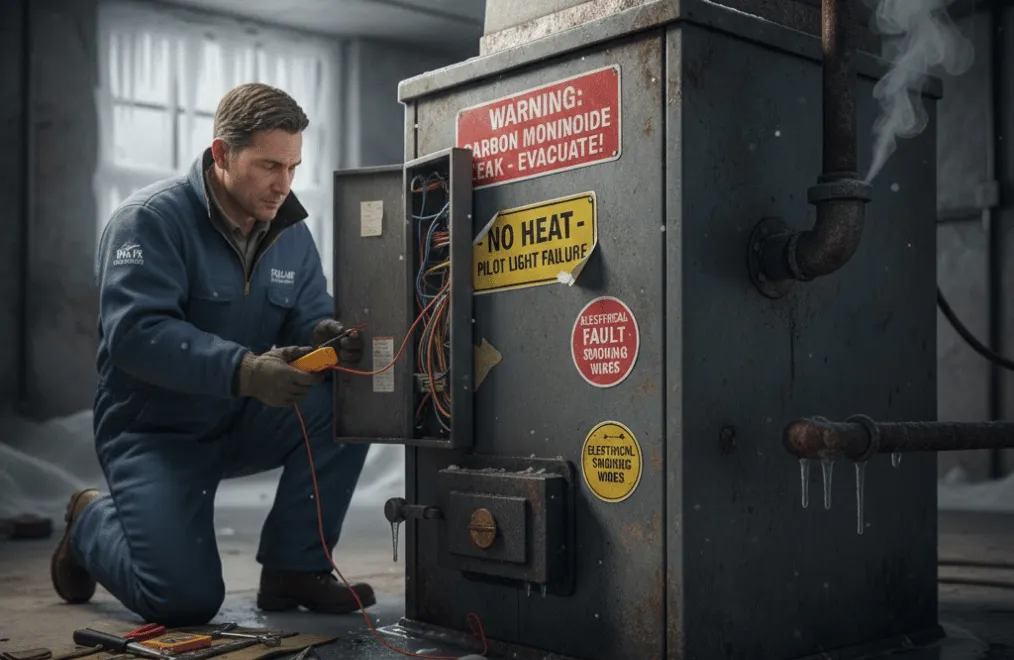
Furnace Warning Signs Every Atlanta Homeowner Should Never Ignore in Winter
Furnace Warning Signs Every Atlanta Homeowner Should Never Ignore in Winter
Winter in Atlanta may not be as harsh as in northern states, but that doesn’t make it easy on your furnace. In fact, Georgia’s winter weather creates a unique challenge for heating systems. Sudden cold snaps, overnight freezes, and fluctuating temperatures cause furnaces to cycle on and off frequently, placing heavy stress on components—especially in homes with older systems or limited maintenance history.
Every winter, HVAC professionals across metro Atlanta respond to emergency “no heat” calls that could have been prevented. In most cases, furnaces don’t fail without warning. They show clear signs of trouble weeks or even months before a breakdown, but those signs are often ignored or mistaken as “normal.”
For homeowners in Atlanta, Marietta, Decatur, Alpharetta, Roswell, and nearby areas, recognizing furnace warning signs early can mean the difference between a simple repair and a costly emergency replacement during the coldest night of the year.
This guide explains the most important furnace warning signs Atlanta homeowners should never ignore in winter, what they mean, and when it’s time to call a professional.

Why Furnace Problems Are Common in Atlanta Homes
Atlanta homes face heating challenges that are different from colder climates.
Many homes in Georgia were designed primarily for cooling efficiency, not long heating seasons. As a result:
Furnaces may be undersized or outdated
Ductwork may be poorly sealed or insulated
Maintenance is often delayed because fall weather feels mild
Older homes rely on systems well past their expected lifespan
When January arrives and temperatures drop overnight, furnaces are suddenly pushed to perform at maximum capacity. Any existing weakness quickly becomes obvious.
According to HVAC industry data, winter is the leading season for furnace breakdowns, with January consistently ranking as the highest month for emergency heating calls.
Uneven Heating Throughout Your Home
One of the most common furnace warning signs is uneven heating.
If some rooms feel warm while others remain cold, your furnace may be struggling to distribute heat properly. This problem is especially common in:
Two-story homes
Homes with additions
Older homes with aging ductwork
What Uneven Heating Usually Means
Duct leaks or blockages
Dirty air filters restricting airflow
Failing blower motor
Improperly sized furnace
Insulation gaps in walls or attics
Uneven heating often worsens during colder weather and should not be ignored.
Furnace Short Cycling (Turning On and Off Frequently)
Short cycling occurs when a furnace turns on, runs briefly, then shuts off before completing a full heating cycle.
Why Short Cycling Is a Serious Problem
Increases wear and tear on components
Raises energy bills
Reduces system lifespan
Often leads to complete system failure
Common causes include airflow restrictions, thermostat problems, overheating, or mechanical issues. During winter, short cycling places extreme stress on furnaces that are already working hard.
Unusual Noises Coming From the Furnace
Furnaces are not silent, but they should not be loud or disruptive. Certain noises are strong warning signs.
Sounds You Should Never Ignore
Banging or popping: ignition or duct expansion issues
Rattling: loose components or panels
Grinding or squealing: motor or bearing failure
Booming: delayed ignition in gas furnaces
Noises often indicate mechanical wear that will worsen over time. Ignoring them increases the risk of sudden breakdowns.
Rising Heating Bills Without Increased Usage
If your heating bills spike in January without a change in thermostat settings, your furnace may be operating inefficiently.
Common Efficiency Problems
Dirty burners
Worn heat exchangers
Airflow restrictions
Leaky ductwork
Aging components
According to energy efficiency studies, inefficient furnaces can consume 20–40% more energy than properly maintained systems.
Cold or Lukewarm Air Blowing From Vents
If your furnace is running but blowing cool or barely warm air, something is wrong.
Possible causes include:
Ignition failure
Pilot light issues
Heat exchanger problems
Thermostat malfunctions
This is a clear sign professional service is needed, especially during winter.
Yellow Pilot Light or Burning Smells
For gas furnaces, the pilot light should burn blue. A yellow or flickering flame may indicate incomplete combustion, which can lead to carbon monoxide risks.
Other Dangerous Smells
Burning dust (temporary, early winter only)
Persistent burning or metallic odors
Rotten egg smells (gas leaks)
Any ongoing smell should be treated as urgent.
Frequent Thermostat Adjustments to Stay Warm
If you constantly raise the thermostat to stay comfortable, your furnace may not be producing enough heat.
This often points to:
Declining system efficiency
Airflow issues
Improper system sizing
Aging equipment
Comfort should be consistent, not a daily struggle.
Furnace Age Over 15 Years
Most furnaces have a lifespan of 15–20 years. Many Atlanta homes still rely on systems installed decades ago.
Older furnaces:
Break down more often
Cost more to operate
Lack modern safety features
May struggle to meet winter demand
Winter is when aging systems are most likely to fail.
Visible Dust, Soot, or Corrosion
Excess dust around vents, soot near the furnace, or corrosion on components can indicate combustion issues or airflow problems.
These conditions reduce efficiency and can create safety concerns if left unaddressed.
Carbon Monoxide Detector Alerts
Carbon monoxide detectors should never be ignored. Furnaces are one of the most common sources of CO leaks in winter.
If a detector alerts:
Leave the home immediately
Call emergency services if needed
Contact a licensed HVAC professional before restarting the system
Repair vs. Replacement: What Atlanta Homeowners Should Know
Repair Is Often Best When:
Furnace is under 10–12 years old
Problems are minor or isolated
System has been well maintained
Replacement May Be Smarter When:
Furnace is over 15 years old
Repairs are frequent or expensive
Energy bills keep rising
Comfort issues persist
According to industry studies, modern high-efficiency furnaces can reduce heating costs by up to 30% compared to older models.
Why Preventive Furnace Maintenance Matters in Winter
Preventive maintenance:
Reduces breakdown risk
Improves efficiency
Extends system lifespan
Enhances indoor comfort
Improves safety
Emergency furnace repairs during winter often cost significantly more due to urgency and after-hours service.

When to Schedule Furnace Service
The best time to address furnace issues is before a breakdown occurs. Winter inspections catch problems when they’re most visible and prevent emergencies during cold snaps.
If you notice any of the warning signs above, professional service should not be delayed.
Schedule Furnace Service Before It Breaks Down
Winter furnace failures are stressful, uncomfortable, and expensive—especially during freezing nights. Recognizing warning signs early gives you control and peace of mind.
If you live in Atlanta or surrounding suburbs, professional furnace service can keep your home warm, safe, and efficient all winter long.
Schedule your furnace inspection or repair today to avoid winter emergencies.


