
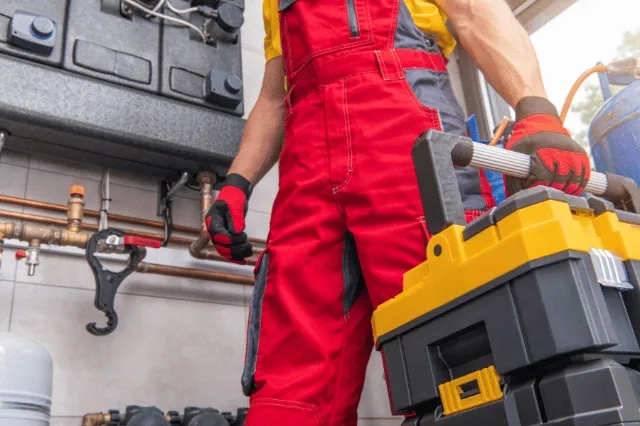
Emergency HVAC Failures: What Homeowners Should Know and How to Prevent Them
Emergency HVAC Failures: What Homeowners Should Know and How to Prevent Them

Sudden HVAC breakdowns leave your home without heating or cooling and can pose safety risks. Understanding emergency HVAC failures helps you spot problems early and schedule professional HVAC care before systems fail. This guide covers the most common causes, warning signs, preventive maintenance, when to call emergency repair services, and how to respond if your system goes down.
What Are the Most Common Causes of Emergency HVAC Failures?

Emergency HVAC failures occur when key components malfunction under stress, halting heating or cooling and risking further damage. Recognizing these root causes enables targeted HVAC emergency prevention to keep systems running reliably.
Identifying these core failure points prepares you for more specific breakdowns in heating, cooling, and electrical subsystems.
What Heating System Failures Should Homeowners Watch For?
Heating system failures often stem from worn ignitors, cracked heat exchangers, or failing gas valves. Common failure mechanisms include ignition error codes and uneven burner operation.
A malfunctioning ignitor prevents the furnace from lighting, leaving you without heat.
A cracked heat exchanger can cause unsafe carbon monoxide leaks and shutdowns.
A stuck gas valve cuts off fuel flow and forces an emergency system lockout.
Spotting these issues early prevents midwinter discomfort and safety hazards.
How Do Air Conditioning Breakdowns Occur and What Triggers Them?
Air conditioning units fail when refrigerant leaks, frozen coils, or compressor overload occur under high demand.
Loss of refrigerant pressure causes coils to ice over and evaporator fan to stall.
Dirty or blocked coils overheat the compressor, triggering shutdown.
Faulty capacitors or motors prevent the blower from circulating cool air.
Understanding these triggers helps you arrange preventative service before temperatures soar.
Air Conditioning Reliability Analysis Based on Dynamic Bayesian Network and Markov Model
A 2024 study analyzed the reliability and maintainability of household air conditioning systems, identifying common component failures and emphasizing that consistent maintenance is crucial for ensuring operational safety and system reliability. The research also determined optimal maintenance cycles to proactively address potential hazards and reduce system failures.
This research directly supports the article's discussion on common causes of HVAC failures and the importance of addressing potential hazards through maintenance to ensure system reliability.
Which Electrical Issues Lead to HVAC Emergencies?
Electrical faults like control board failures, sensor errors, or tripped breakers often cause sudden system shutdowns.
A burned-out control board cuts power to critical HVAC components.
A failed thermostat sensor sends incorrect signals that halt operation.
A blown fuse or breaker trip interrupts the entire HVAC circuit.
Addressing electrical malfunctions early protects your equipment from costly damage.
What Are the Warning Signs of an Impending HVAC Emergency?
Warning signs are early indicators that your HVAC system needs attention. Spotting them fast supports HVAC emergency prevention and reduces the risk of a full breakdown.
Reduced airflow from vents signals airflow restriction or blower problems.
Unusual grinding or rattling noises indicate mechanical wear or loose parts.
Sudden spikes in energy bills point to inefficiencies or failing components.
Recognizing these signals lets you act before an urgent repair becomes necessary.
How Can You Identify Furnace Warning Signs Before Failure?
Furnace warning signs include incomplete ignition, odd odors, and fluctuating temperatures.
No heat despite thermostat demand means ignition or gas flow issues.
A sulfur or rotten-egg smell signals a possible gas leak requiring immediate action.
Frequent cycling or uneven heating suggests a worn blower or faulty sensor.
Catching these symptoms early avoids a cold-home emergency.
What Are the Key Air Conditioner Warning Signs to Monitor?
Air conditioner alerts include weak cooling, water pooling, and high humidity indoors.
Poor cooling efficiency points to low refrigerant or compressor strain.
Water leaks under the outdoor unit indicate clogged drains or frozen coils.
Uncomfortable humidity levels suggest poor moisture removal.
Monitoring these signs helps you schedule maintenance before system failure.
How Do Heat Pump Issues Signal a Potential Breakdown?
Heat pump signals include short cycling, low pressure, and noisy reversals.
Quick on/off cycles show improper refrigerant charge or defrost control issues.
Low suction pressure readings reveal leaks or compressor wear.
Loud reversing-valve clicks during mode changes indicate faulty components.
Addressing these symptoms prevents complete heat pump stoppage.
How Can Preventative HVAC Maintenance Help Avoid Emergencies?

Preventative maintenance involves regular inspections, cleaning, and tuning to avoid seasonal breakdowns. Scheduled service promotes energy efficiency, extends equipment lifespan, and supports HVAC emergency prevention.
HVAC Maintenance Statistics: What the Numbers Reveal
Academic research highlights the effectiveness of preventative and predictive maintenance for HVAC systems. A 2022 study by Es-Sakali et al. in Energy Reports demonstrated that predictive maintenance algorithms can lead to a 70-75% reduction in system breakdowns and a 35-45% decrease in breakdown duration. Earlier research by Kwak et al. (2004) also showed significant increases in Mean Time Between Failures (MTBF) and economic benefits from condition-based maintenance.
This information provides strong evidence for the article's claims about how preventative maintenance helps avoid emergencies by reducing breakdowns and extending equipment lifespan.
What Are the Essential Seasonal HVAC Maintenance Tasks?
Seasonal maintenance tasks like filter changes, coil cleanings, and safety checks keep systems stable. You should replace or clean filters every 1–3 months, clear debris around outdoor units, and test emergency shutoff switches for safe operation.
Which DIY Maintenance Steps Can Homeowners Safely Perform?
You can perform basic checks such as replacing air filters, clearing vent obstructions, and verifying thermostat settings. These simple steps improve airflow and detect obvious issues before professional service is needed.
Why Is Professional HVAC Care Important for Emergency Prevention?
Professional inspections catch hidden risks like refrigerant leaks, compromised duct seals, and worn electrical components. Service Pronation’s Our Services connect you to certified technicians who perform detailed safety tests and tune-ups to prevent costly emergencies.
Additionally, excess moisture from roof leaks or mold can strain your HVAC; Service Pronation also links you to specialized Roofer Fixer and Mold Remediation Service professionals to address related home issues.
When Should Homeowners Call for Emergency HVAC Repair Services?
You should call for emergency repair when system failures threaten safety or leave you without heat or cool air for extended periods. Quick intervention minimizes damage and restores comfort promptly.
What Situations Require Immediate HVAC Emergency Repair?
Complete loss of heating during winter or air conditioning in summer.
Gas odors or suspected carbon monoxide leaks around the furnace.
Smoke or burning smells coming from vents.
These scenarios demand rapid professional response to protect your home and family.
How Does Service Pronation Connect You to Trusted HVAC Technicians?
Service Pronation connects homeowners to pre-screened HVAC technicians through a streamlined platform. By visiting our HVAC Services page, you access reliable experts who provide rapid emergency support.
What Are the Benefits of Having an HVAC Service Contract?
An HVAC service contract ensures scheduled tune-ups, priority emergency response, and discounted repair rates. This planned support prevents lapses in maintenance and gives you peace of mind year-round.
How Can Homeowners Prepare for and Respond to HVAC Emergencies?
Having a response plan for HVAC failures reduces stress and downtime. Preparation steps and smart technology help you manage emergencies confidently.
What Immediate Steps Should You Take During an HVAC Breakdown?
Turn off the system at the thermostat to prevent damage.
Check and replace any clogged filter blocking airflow.
Inspect outdoor equipment for debris or ice buildup.
These actions can restore partial function while you arrange professional help.
How Can Smart HVAC Technology Help Prevent Failures?
Smart thermostats and remote monitoring systems detect anomalies like sudden temperature swings or system short-cycles. Early alerts give you time to schedule HVAC emergency prevention services before major breakdowns occur.
What Are the Costs and Considerations for Emergency HVAC Repairs?
Emergency HVAC repairs often cost 1.5–2× standard service rates and may include after-hours fees. Plan a budget of $150–$500 for common issues and consider service agreements to lock in lower rates and faster response.
Home comfort depends on reliable heating and cooling. By learning the causes, spotting warning signs, scheduling preventative care, and knowing when to call professionals, you protect your system and your family’s comfort. Trust Service Pronation’s network of vetted experts to guide you through every step of HVAC maintenance and emergency repair.


